
Brachycephalic Airway Syndrome Surgery at Foxwell Vet Coomera
Is your dog snoring, struggling to breathe, or tiring quickly during exercise? If they’re a flat-faced breed, they may be suffering from Brachycephalic Obstructive Airway Syndrome (BOAS)—a common condition that affects breathing and quality of life.
At Foxwell Vet Coomera, we offer corrective BOAS surgery to help your pet breathe easier and live more comfortably.
What is BOAS?
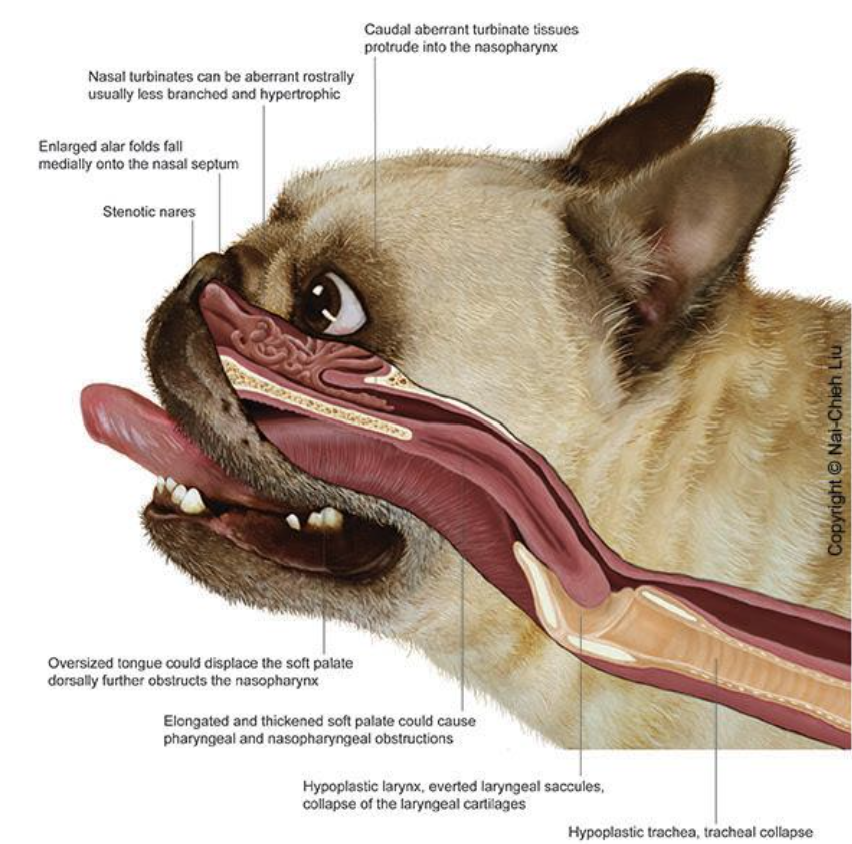
The diagram below shows the anatomical changes in a brachycephalic dog affected by BOAS. These include narrowed nostrils, elongated soft palate, displaced tongue, everted laryngeal saccules, and a hypoplastic trachea — all of which contribute to airway obstruction and respiratory difficulty.

Common Symptoms
- Noisy breathing or snoring
- Difficulty exercising or overheating easily
- Gagging, retching, or vomiting
- Restless sleep
- Collapse in warm weather or during activity
Common Airway Abnormalities
- Stenotic nares (narrow nostrils)
- Elongated soft palate
- Everted laryngeal saccules (tissue obstructing the airway)
- Hypoplastic trachea (narrow windpipe)
Grading BOAS Severity
Before any surgery, we assess your dog’s airway and grade the severity of BOAS. Dogs with Grade II or III signs typically benefit most from surgery. If we detect severe abnormalities or signs of advanced laryngeal collapse, we may recommend referral to a 24-hour specialist hospital, as these cases carry higher risks and may require more complex, non-routine procedures.
Surgical Procedures We Offer
At Foxwell Vet Coomera, we focus on early intervention and perform:
- Soft palate resection – Shortens excess tissue at the back of the throat to clear the airway
- Stenotic nares resection – Widens the nostrils to improve airflow
- Everted laryngeal saccules removal – Clears obstructive tissue to reduce respiratory effort
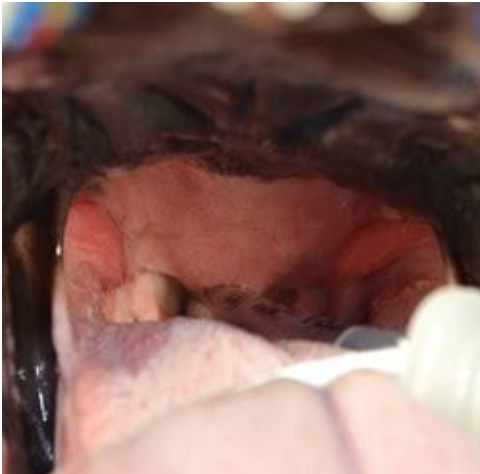
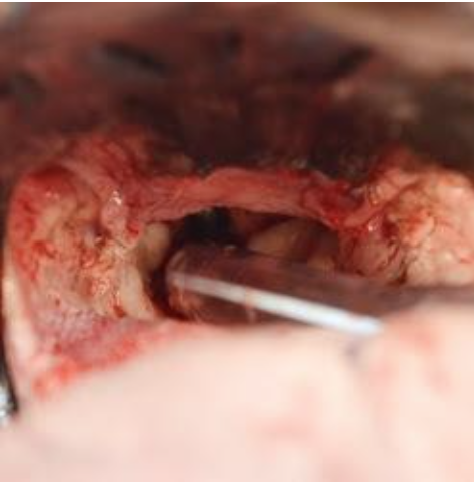
Before and After Soft Palate Resection
The following images show a patient’s airway before and after soft palate resection. This procedure reduces the length and bulk of the soft palate, allowing more space for airflow and helping to prevent long-term respiratory issues.
Before Surgery:
After Surgery:
Understanding BOAS Anatomy
This anatomical diagram illustrates the key abnormalities associated with Brachycephalic Obstructive Airway Syndrome (BOAS) in a pug. It highlights the structural changes such as stenotic nares, elongated soft palate, everted laryngeal saccules, and hypoplastic trachea that contribute to respiratory obstruction in brachycephalic breeds.
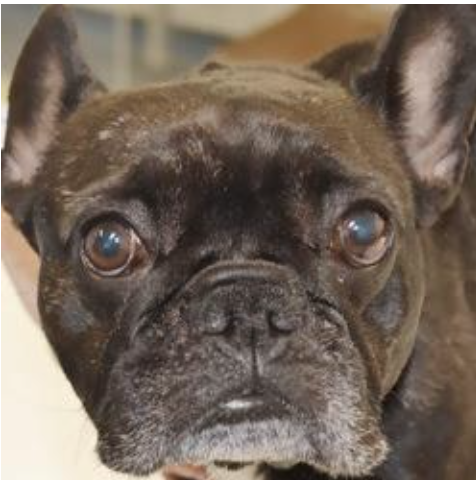
Before and After Nare Surgery
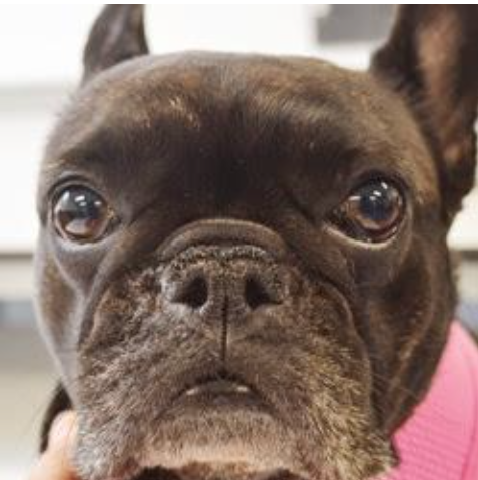
The images below show a patient before and after stenotic nares surgery. This procedure helps to widen the nostrils and improve airflow, significantly reducing breathing effort and improving comfort.
Before Surgery:
After Surgery:
Book an Appointment or Get in Touch
If you believe your dog may be suffering from BOAS or you’re interested in surgical treatment, we’re here to help.
Please call us on (07) 5502 6699 for more information, to request an estimate, or to speak with our team.
You can also book an appointment online or email us directly.
We are located next to the recruitment centre and opposite to the doctor and dentist within the village.
Send us a message!
We service the area around Coomera, QLD, including Upper Coomera, Oxenford, and Pimpama.